How to Organize a Comic Book Collection and Store It Right
Sort comics by publisher, title, volume and issue, bag and board the ones that matter, store boxes upright somewhere cool and dry, and keep a list of what you own.

On this page
It starts with one long box in the closet. Then a second one under the bed, a stack on the desk from last month's pull list, and a bag of back issues from a garage sale that nobody has sorted. One evening at the comic shop you pick up an issue you're fairly sure you're missing, get it home, and find it's your third copy.
Organizing a comic book collection comes down to four jobs: sorting the issues into an order you can search by eye, storing them so the paper lasts, deciding where the boxes live, and keeping a list so you know what you have without opening a box. Here's how to do each, in the order that makes the work easiest.
Gather every issue in one place first
Before you sort, pull every comic out of every room: the long boxes, the stack by the bed, the trades on the bookshelf, the issues still in the bag from the shop. Sorting half a collection means sorting it twice, because the other half turns up later and has to be filed into an order you've already built. If cards share a shelf with the comics, the guide to organizing a trading card collection covers those separately.
Clear a table or a stretch of floor and work in short sessions. A few hundred issues is a weekend. A few thousand is a month of evenings, and that's fine as long as each session ends with a labeled box rather than a bigger pile.
Choose a sort order and stick to it
The order most collectors settle on is:
Publisher
Series title, alphabetically within each publisher
Volume, when a series has relaunched with its numbering reset
Issue number
Volume is the step people skip and regret. Many long-running series have restarted at issue 1 more than once, so two issues numbered 1 under the same title can be decades apart. Write the volume or the start year on the bag if the cover doesn't make it clear.
Some collectors sort by character or by creator instead, and that works if it's how you think about the collection. The order matters less than using one order everywhere, so every box you open follows the same rule.
Annuals, one-shots and specials
Annuals and specials usually sit at the end of their series. One-shots and short miniseries either go alphabetically by title alongside the ongoing series, or in a separate box at the end of each publisher. Pick one and write it down, because this is the decision you'll otherwise make differently every time.
Trade paperbacks and collected editions
Collected editions don't belong in comic boxes. Shelve them upright like books, spine out, in the same publisher-then-title order. The guide to cataloging a book collection covers shelving and listing them without typing every title.
Bag and board the issues worth protecting
A comic is printed on paper that yellows, creases and absorbs moisture. A bag and a backing board is the basic protection: the bag keeps out dust and humidity, and the board keeps the spine and corners from bending.
Match the bag size to the era. Older comics are often wider than modern ones, and a bag that's too small bends the cover.
Choose acid-free boards, and archival-grade bags for issues you plan to keep for decades. Standard bags are fine for reading copies but are usually meant to be replaced every few years.
Put the board behind the comic, not in front, and slide it in without catching the cover.
Tape the flap to the bag, never to the comic.
You don't have to bag every issue. Plenty of collectors bag and board the key issues and the long runs they care about, and keep reading copies in a looser box.
Store comic boxes upright, cool and dry
Comic boxes come in short and long sizes, built to hold bagged issues standing up. Store them that way, filled firmly so issues don't slump, but not so tight that pulling one out bends its neighbors. Comics stacked flat in tall piles warp the issues at the bottom, and a half-empty box lets them curl.
Where the boxes live matters as much as how they're packed. Paper does best somewhere cool, dry and dark with a steady temperature:
A closet or a shelf in a room you heat and cool, rather than an attic or a garage
Off the floor, in case of a leak or a damp basement
Out of direct sunlight, which fades covers even through a bag
Away from exterior walls and windows that run cold and collect condensation
Attics are the most common mistake. Summer heat and winter cold cycle through the paper every year, and the guide to organizing an attic covers what does and doesn't belong up there.
Label the outside of every box
A box of comics looks like every other box of comics. Label each one on the short end that faces out, with its range: the publisher, the first and last series title, and the issue numbers where a run spans two boxes.
Number the boxes too. When new issues arrive and a run spills over, the number tells you which box comes next without opening three of them.
Keep a list of what you own
The shelf tells you where a comic is. Only a list tells you whether you own it at all, and that's the question you're asking at the shop or at a convention table. The list doesn't have to be elaborate. For each issue it needs:
Title, volume and issue number
Which box it's in
Condition, in your own words or on whatever grading scale you use
What you paid and when, for the issues where it matters
How many copies you have
Keep a separate want list of the issues missing from each run. It's the list you'll actually check in a shop, and it's what keeps a three-copy issue down to one.
If the collection includes high-value issues, photograph them front and back and keep the purchase records with the photos. The guide to building a home inventory for insurance covers what a complete record of valuable possessions includes.
Keep the collection organized as it grows
New issues arrive every week, and that's where most collections fall apart. A short routine holds it together:
Keep one box for new arrivals, and put new issues nowhere else.
Bag and board each issue when it comes into the house.
Add it to your list before it goes in the box.
File the new-arrivals box into the main collection once a month.
Where an app helps
A spreadsheet and a marker will do all of this. If you'd rather the list and the boxes live in one place, here's how it works in Cratify.
Each comic can be its own possession inside the box that holds it, and each box can sit on a shelf in the room it's in. Photograph an issue and AI identification fills in a name and category, with a confidence percentage on screen so you can correct either before you save. Several mode takes up to 20 photos in one batch, so a short stack of new arrivals goes in one pass. Check the issue numbers as you review each entry.
A quantity on each possession covers duplicate copies, so a second copy shows as ×2 instead of a second entry. A Receipt can hold what you paid and the purchase date. A Collection is a list that spans every box, with a check-off on each entry, which suits a reading order that runs across several boxes. Search draws on each possession's details and the container it's in, so searching a title tells you which box to open.
The short version
Gather every issue first, sort by publisher, title, volume and issue number, and decide once where annuals and one-shots go. Bag and board what you want to protect, store the boxes upright somewhere cool, dry and dark, and label each box with its range. Keep a list of what you own and a want list of what you're missing, and file new issues in once a month. Cratify is free to try.
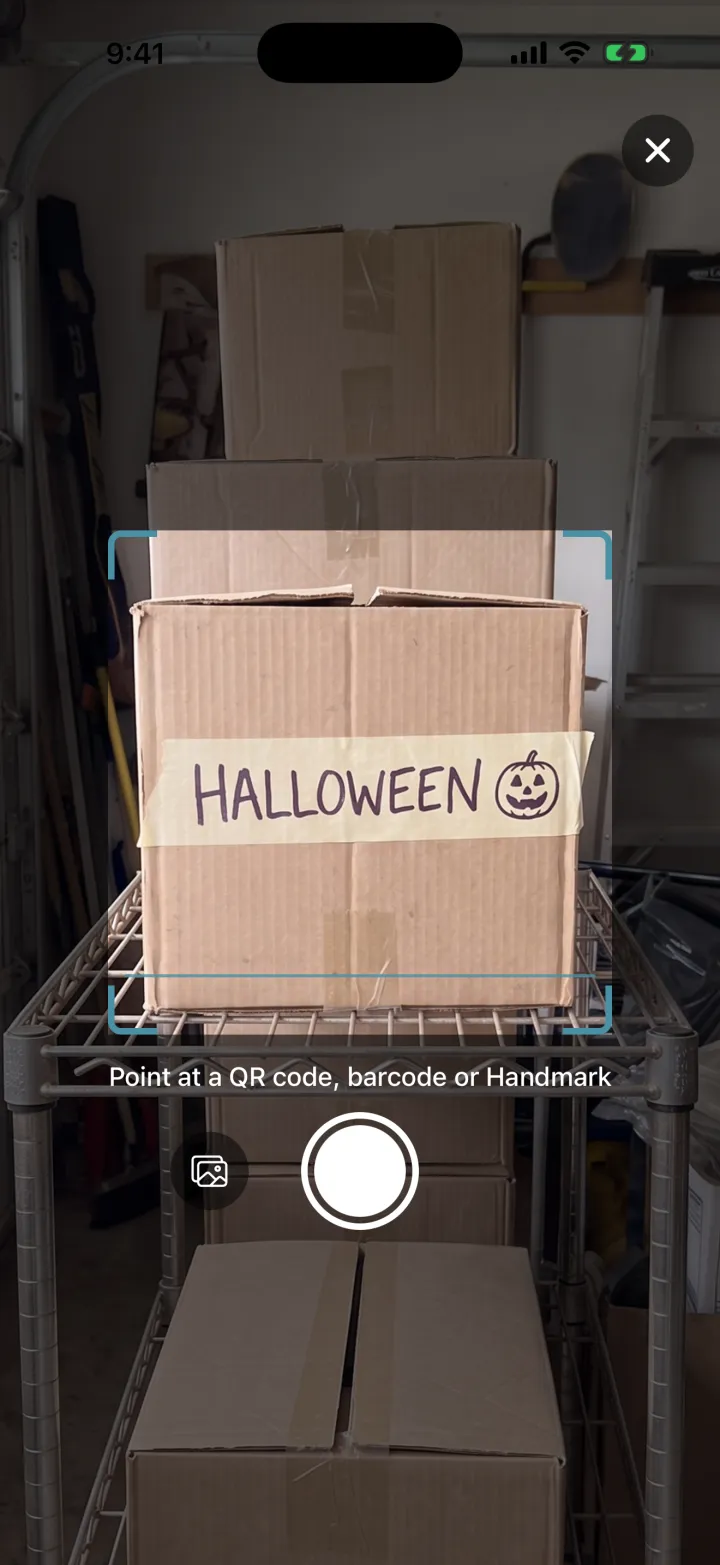
Scan reads QR labels, barcodes and what you already wrote on the box.
Know which box every issue is in
Photograph each comic, file it in the box that holds it, and search a title before you buy a third copy. Cratify is free to try.